Category Archives: Uncategorized

Happy Holidays 2015

Wishing you all a Merry Christmas and a Happy New Year from here at http://www.youempoweryourhealth.com.  Being thankful for ALL that 2015 brought me and looking forward to more exciting features on my blog in 2016!  I pray that each and every one of you have a safe, happy, and prosperous holiday season!merry-christmas-1097751_1920

Holidays – Depression and loneliness becomes very real

woman-902213_1920Depression:  The definition that Merriam-Webster gives is this:  (1) A state of feeling sad. (2) A serious medical condition in which a person feels very sad, hopeless, and unimportant. (3) A period of time in which there is little economic activity and many people do not have jobs.

As you can tell by the definition, the holidays can bring about many emotions, thoughts and lots of memories to all of us – good and bad. Thanksgiving and Christmas symbolizes being thankful and grateful and lots of giving, but to many it can generate depression, anxiety and loneliness coupled with lots of suicidal tendencies. The world has commercialized these two holidays in particular so much for so many years to the point that now, many no longer look forward to the holidays. I hear so many people now say, “I’ll be glad when Thanksgiving and Christmas come and go”!

It has become so overrated, filled with many putting on a facade, becoming arrogant and selfish – pretending to be ‘givers’ by buying gifts for their loved ones, but at the same time despising the very person they’re giving the gifts to!

Getting back to the basics is simple – take away the selfishness and do something different cornucopia-587613_640this holiday season by spending time with those who are alone, those who are burdened in the minds with sad or traumatic memories. I know many right now who are very ill, those who are deceased either days before the holidays or even burying a loved one days after the holidays and those are very dark, very hard times. Instead of feeding ourselves until we’re sick or spending money on gifts we will later not appreciate, take that energy and time to be a gift to someone else by lifting their spirits through our selfless acts of kindness!

And to those who are alone and depressed, I speak to you also.  You too can do something different for the rest of your life starting now during this holiday season! Begin to speak positive words into your own life daily.  Keep the good memories, but leave your past, your pain behind you – even if it’s just for a day – and look towards today and the future. Watch how things can change for the better for yourself by giving yourself permission to feel differently!  You too can pick yourself up and go spend time with someone else, give of yourself – there is always  someone else worse off than you.  As I saw an excerpt from a promo ad of Joel Osteen’s new book, “The Power Of  I Am”, he says when you have those thoughts of I’m not well, or I’m not beautiful, turn those words around to a positive and begin to say I AM well. I AM beautiful and I do have lots to offer others! I am in charge of my life!  It doesn’t cost you a thing to show yourself as giving, as helpful to others and soon you will find yourself coming out of your depression.

On this Thanksgiving Day 2015, I am grateful to be alive, to be well, to have my strength and to wake up and see another gorgeous day that God has created!  I’m grateful for my 94-year-old mother who is still here, still in her right mind. I’m grateful for many, many things this year……From me at Empower Your Health, I want to wish everyone a safe, healthy, happy holiday season!


Epidermolysis Bullosa Week – October 25 – October 31

EBWEEK The week of October 25 through October 31 each year is designated as epidermolysis bullosa week. This is a skin disorder that I will explain below as that disease is so near and dear to my heart because this is the skin disorder I was born with.

What is epidermolysis bullosa

Epidermolysis bullosa (ep-ih-dur-MOL-uh-sis buhl-LOE-sah)  or (EB) is a group of rare, connective tissue diseases, characterized by blistering of skin, butterfly-892350_1920manifesting extremely fragile skin. “Butterfly children” is the term often used to describe children, especially younger children with EB because the skin is as fragile as a butterfly’s wings.  EB is the result of the anchoring between the epidermis and the dermis, resulting in the tearing of the skin.  To learn more about EB, I will refer you to the DebRA of America (Dystrophic Epidermolysis Bullosa Research Association of America) organization  (or http://www.debra.org) for a more in-depth description regarding EB.

Causes of EB

Epidermolysis bullosa can be inherited, or caused by a genetic mutation.  With researchers identifying more than a dozen genes involved with skin formation, that if defective, may cause a type of epidermolysis bullosa.  There are varying subtypes of EB. The four types of genetically inherited EB:  Simplex, dystrophic, junctional and Kindler. Again I would refer you to DebRA of America (www.debra.org) for more in-depth look into EB.

Me and EB

I was diagnosed with EB at birth 57 years ago – can you believe there was even a diagnosis of that disease those many years ago? I have had my many challenges with it – even as an adult – I still suffer many symptoms, but I have learned many interesting things about EB along the way.  With the help of the DebRA of America organization since its inception in 1980, along with their many volunteers and workers and, of course the many concerned physicians who are still spending countless hours researching for a cure for EB, I have met a lot of great people along the way. DebRA continues to have an excellent support system in reaching out to those unfamiliar with EB, while also continuing to educate us who are living with EB. My blogging adventures began as I decided to tell my personal story of living with EB in 2013.   http://marshalivestotell.blogspot.com/

Check out the debra.org website and your local cities this week to see how you can become educated, donate, and get involved  in honor of Epidermolysis Bullosa Week!

//pagead2.googlesyndication.com/pagead/js/adsbygoogle.js
<!– adforeb2 –>
<ins class=”adsbygoogle”
style=”display:inline-block;width:320px;height:100px”
data-ad-client=”ca-pub-7198846045669818″
data-ad-slot=”4100351880″></ins>

(adsbygoogle = window.adsbygoogle || []).push({});


So the month of October serves as many different health awareness observances such as Breast Cancer Awareness, Spina Bifida Awareness Month (promoted by the Spina Bifida Association), Domestic Violence as well as other health observances. The week of October 25th through October 31st is observed as Epidermolysis Bullosa Week. The latter I will discuss next week as that is a disorder that I’m personally familiar with!

As many are more familiar with the more popular topics such as breast cancer and domestic violence, I tend to favor discussing medical topics that are not that popular or of familiarity, so this week I’d like to focus on spina bifida.

what_is_spina_bifida_image_2Spina bifida is a birth defect of the neural tubes (the structure that is present early in the embryonic life), resulting in incomplete formation of the brain, spinal cord and/or meninges. In other words, while a baby is in the mother’s womb, it means the infant suffers an ‘incomplete’ closure of the spine column. Though the exact cause of spina bifida is unknown, scientists suspect that a deficiency in folic acid in the mother’s diet has been linked to its development. There is no cure for spina bifida and treatment depends on the type and severity of the disorder. Some may not need treatment at all.

Children who suffer with spina bifida can grow to adulthood and live healthy, active lives. Again, depending upon the severity, some may use assistive devices such as wheelchairs, crutches or braces.

To help prevent spina bifida, it is so very important that all women of childbearing age take 400 micrograms of folic acid supplements daily, along with eating foods high in folic acid such as dark green vegetables, fruits, and egg yolks and to especially seek complete prenatal care at the onset of expectancy!

//pagead2.googlesyndication.com/pagead/js/adsbygoogle.js

(adsbygoogle = window.adsbygoogle || []).push({});

World Heart Day

world-heart-dayLittle did I know when writing about my medical terms today that September 29th is World Heart Day……and I have a scheduled appointment today to see my cardiologist.  Interesting.

According to the World Heart Foundation, World Heart Day was founded in 2000 to inform people around the world that heart disease and stroke are the two leading causes of death.  There are different events across the world that take place on this day to bring awareness of staying heart healthy. This year’s theme is creating heart-healthy environments.

Most of you who know me know my heart history, which is also detailed in my previous blogs.  I am SO incredibly thankful to be here, to have survived a significant heart attack 5 years ago.  Let’s participate in some way to World Heart Day, whether on a local level or national level, we are all able to empower each other to a healthier heart!

ICD-10 coming in October – how it will affect patients

What is ICD-10? ICD-10 (International Statistical Classification of Diseases) and relatedquick-icd-10-1-l-280x280 problems is the 10th edition of the medical classification of medical coding. These are developed by the World Health Organization (WHO) and will officially replace ICD9-CM coding system here in the United states October 1, 2015. ICD-10 will include up to 7 digit codes along with letters.  ICD-9-CM has been around since 1979 and ICD-10 will bring a refreshing, much needed ‘upgrade’ to the health care system of the future. (Other countries have already been using ICD-10 for a while now and are beginning to work on ICD-11).

We first must understand that ICD-9-CM (International Classification of Diseases, Clinical Modification) is the assigning of codes to every human being given a diagnosis, whether inpatient, outpatient, surgical or procedural, hospital or doctor’s office – any HIPAA compliant entity.  ICD-10 is a significant expansion of medical codes (155,000) than the 17,000 that ICD-9-CM had.

What does ICD-10 mean to me? If you or I went to the doctor and was given a diagnosis of allergic rhinitis for example, the code would be 477 (ICD-9 code).  This means that every medical professional across the United states and other parts of the world understand the same diagnosis code for allergic rhinitis of 477.  There are several lists for this code, in which ICD-10 has more specificity of what type of allergic rhinitis there is (J30.1 is the ICD-10 code) and more specific codes for the different types of allergic rhinitis. As more and more electronic medical records are put into practice in this country, the more these codes affect patient care. The true change that we as patients will really notice will come in the reimbursements and billing of our insurance, Medicare and Medicaid and all entities who are HIPAA compliant.  Insurance payers will need to watch out for double billing and double payments as there are very stiff penalties in place for this, including fraud.  So the next time you go to your physician’s office and you get that receipt, or once admitted to the hospital and upon discharge and your billing statement comes to you, be sure to go over it with a fine tooth comb – making sure you have not been double billed for services rendered.  That’s why it is also important to TRY and remain as healthy as possible, to diminish so much coding because there is a code for everything now!


September – Change in Seasons

pine-65769_1280The months of September and October are my favorite times of the year. It’s a distinct change in seasons – from sizzling hot temperatures to the most dazzling of colors of leaves changing and shedding, marking the beginning of Autumn and winter seasons.

The month of September brings about a lot of health observances such as Prostate Cancer Awareness Month, National Sickle Cell Month, National Childhood Obesity Awareness Month and many, many others.

Childhood obesity as we all know is still a huge problem, especially in this country, but at the same time, hungry children around the world is also a real problem. We as parents really need to empower ourselves as well as our children on both of these issues, especially childhood obesity as that can be controlled by us!

Technology is one of the many triggers for childhood obesity.  Technology is in every facet of our lives – in schools, at work, at home,  – but a lot (not all) of the generation of youngsters born in the late 1970’s, 1980’s and early 1990s having children now think all of this ‘new age technology’ is so great and so awesome for their children.  They seem to have forgotten (or never really listened to their parents) how participating in simple outdoor activities will cut down on obesity! Spending hours and hours on their smart phones, iPads, computers, etc. along with eating quick, ready-to-eat foods are just a couple of the many causes for childhood obesity.

Getting ‘back to the basics’ is so simple and a lot of times free!!  As I have started back on my continuous journey of better health by walking again, I have observed a few parents having their children with them on the walking trails. At least once a week, I will go to the Stone Mountain Park in Stone Mountain, Georgia and walk; walking the walking trail and upwards onto the top of the mountain – all for free!!  I want to begin seeing a lot more of people of color and single parents getting out with your children by involving them (and yourselves) in physical education and exercising and eating better.  Stop making the excuse of I don’t have time or wanting someone else to take care of your children!!  Empower yourself as a parent to observe what your children eat at school.  If your school has not taken part in the healthier eating initiatives like a lot of schools now do, you and other parents can come together and begin the process of making those necessary changes for your local schools so that they too can become a part of the healthier eating initiative.  These are your children you birthed and you and only you are responsible for them. A lot of people are still making the excuse that ‘I can’t cook’ or ‘it’s too expensive.’ Many are still receiving food assistance from the government – take that (while you still get them as a lot of states are beginning to cut out that assistance) and instead of buying unhealthy packaged foods, get ideas from your loved ones, friends, and the thousands of free, online recipes and teach yourself how to cook and cook healthy. As you begin to make these changes in your lives, you will also see remarkable, yet healthier changes in your children’s lives.

Seasons change, so can we!!

Pediatric strokes do happen

In transcribing a variety of medical specialties to include pediatric reports, I’ve recently come across transcribing medical charts where, not only the elderly, but newborns, infants and children are susceptible to having strokes.

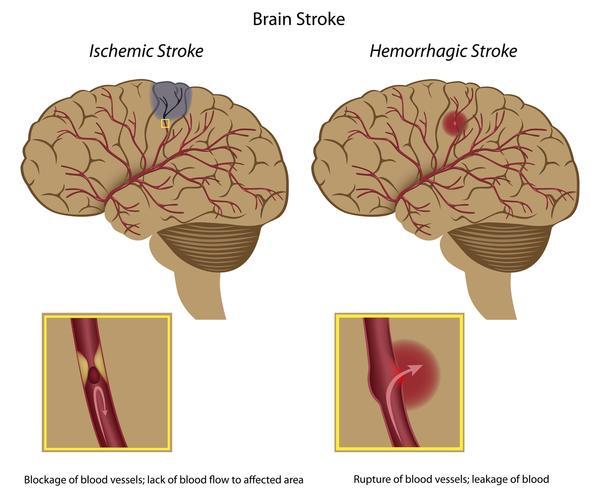
What is a stroke?strokes

A stroke is the sudden stoppage or decrease in the flow of blood in the brain, severe enough that it causes damage to the brain.  There are two types of strokes; ischemic and hemorrhagic. Ischemic stroke is where a clot can block blood flow to the brain. A hemorrhagic stroke is when a blood vessel in or near the brain ruptures, causing bleeding in the brain.

According to the American Heart Association and American Stroke Association, the risk of stroke from birth to age 18 is nearly 11 per 100,000 children per year. Stroke remains among the top 10 causes of death in children.

Risk Factors

Boys and African-American children are at a higher risk of stroke than any other groups. Some of the other risk factors for stroke occurring in children are:

  • Congenital heart defects
  • Sickle cell disease
  • Head and neck infections
  • Head and neck trauma
  • Pregnancy-related high blood pressure in the mother

These are just a few of the many risk factors for a stroke occurring in children. Strokes are sometimes not recognized or treated properly because we do not think about infants or children having strokes.

Some of the pediatric stroke signs and symptoms  are seizures, extreme sleepiness, a tendency to use one side of the body, sudden numbness or weakness in the face, arms or legs, difficulty speaking.

To all the expectant mothers, empower your health and the health of your unborn child by taking action in receiving the best prenatal care possible from day one!  It is important because there may be a family history of clots, prior strokes in either the mother’s or father’s side of the family.  It is also important refrain from smoking, and to eat properly and stay well hydrated during your entire pregnancy.

It’s hot out there – Tips to staying cool in the heat

Ahhhh…… swimming, grilling, boating, concerts – all signs of summer fun!  As we’re entering into late spring/summer here in HOTlanta and other parts of the country with temperatures rising fast, there are many of us – myself included – who, because of health reasons, will not be able to participate in the beautiful outdoors and the many activities that come with summer fun.   I still enjoy the outdoors and all the fun-filled things that come with it, but because of my heart disease and my skin disorder, I must contend with keeping inside, keeping cool.  For myself, I’m not even able to be directly in the heat/sun for at least more than I’d say 1-2 hours.  When you factor in the bright sun, the rising temperatures and humidity in the air, that makes for such a disastrous recipe for heat-related illnesses.  But that’s okay, I can find many ‘cool’ things to do!

Those most at risk for heat strokes are

  • People who are 65 and older, especially living alone and may possibly be without air-conditioning
  • Babies and young children
  • Those who have existing medical conditions such as heart disease, high blood pressure and lung disease
  • Certain medications such as psychiatric meds, diuretics (water pills), or beta blockers as these types of medications can dehydrate you.
  • People who exert themselves outdoors, whether it’s by working and/or athletes

Here are a few tips I want to share with everyone in preventing heat strokes, heat exhaustion and other heat-related illnesses:

– If you’re a person without transportation and you need to get out to handle your business affairs, either get out at the earliest time possible, i.e., hours between 7 a.m. and 9 a.m.  If you’re too exhausted to take public transportation, then save your money and utilize your funds by letting others do the driving for you such as Uber, Lyft or your standard taxicab.  Actually, Uber is less expensive than your standard taxi!

– Drink plenty of fluids – nonalcoholic and nonsugary drinks, that is – in order to keep yourself hydrated.  Avoid really cold drinks as they can cause stomach cramps.

– if you have a medical condition such as heart disease, stay indoors and stay in air-conditioning.  You should always have phone numbers and addresses to your local shelters  and your local fire department in case of power outages and/or you are without air-conditioning.  What I love about the South (which I’m sure happens in other parts of the country) is that your local television station (at least WSB-TV here in Atlanta) will broadcast warnings if the ozone is too heavy and will give warnings to those with medical conditions that it is too hot to come outdoors, especially those with respiratory problems, heart problems or other medical issues that will put you at risk for the possibility of heat strokes or heath-related deaths.

– Check on your elderly neighbors as they are very susceptible to becoming ill in the heat.  A lot of elderly people are very quiet, very stubborn and will not say much. It is our obligation to take the time to check on them, their surroundings and to make sure they are healthy and content.  If you find that their conditions are not adequate, then purchase a fan or take them to a shelter or hotel for a night or two, or call your local social services in the community to ensure that they get the help they need!

Enjoy the summer and stay cool!


Editing versus standard transcription

microphone2This ‘new wave’ of transcription called voice recognition is very similar to being a newspaper copy editor. I have had the opportunity to work at a newspaper many, many years ago as a newsroom clerk.  That entailed more than just answering the phones, taking messages for the reporters in the newsroom.  When the newsroom got pretty busy,  I had the privilege of doing the work that a copy editor would do.  A copy editor would edit the information of what the AP (Associated Press) and other news outlets’ news feeds brought in.  This information came over the computer (as they considered it back then as being “hot off the press”) which constantly provided  updated news events, articles, etc.  and the copy editors would edit for correct spelling and verbiage of that article, thus signing off on it to meet press deadlines.  Pretty similar to today’s speech recognition for medical transcription.  One had to possess a journalism degree just to be a copy editor!  Medical transcription has basically become this ‘copy editing’ thing – with less and less pay which is NOT good.

When I first began voice recognition  back in 2007, I believe, I thought wow, this is going to be great!  I feel like I’m back doing the copy editor thing again.  Not so fast!  Medical transcription takes a lot of medical terminology knowledge, research skills and almost the same amount of knowledge that a nurse and/or doctor may have.  We must know the different laboratory values, the different medication dosages, and the correct/accurate terms because if those are wrong, then that health documentation is wrong.  Nurses and doctors and other healthcare professionals depend on us to know exactly what we’re transcribing and, whether they really realize it or not, we are the lifeline of that patient’s healthcare documentation!  Having all of this nonsensical garbly-goop come across through voice recognition is really dangerous.  Heck – even back in my days of copy editing, the information didn’t come across the ‘AP wire’/computer that awful!

Don’t get me wrong – I do not hate voice recognition.  It, as well as EMR’s have been useful in some ways.  There are way more human bodies on this earth now than ever before and yes – the quicker we can get some things out faster than paperwork, the better.  But, from a transcriptionist’s point of view, it can still be fine-tuned a lot.  And by the way, it will never totally replace the transcriptionist!

As we must keep up with technology and the many advances of health information management and technology, it is painfully obvious that voice recognition is not going anywhere anytime soon – at least the creators of it have definitely invested way too much money for it to go away. Stay tuned this week for continued information as we continue to recognize Medical Transcription Week this week, as we’ll look into how a very small number of souls are passionately and vigorously standing up for us  MT’s to hopefully get some standards in place and the respect and better pay that we so deserve.