What High Blood Pressure Really Means
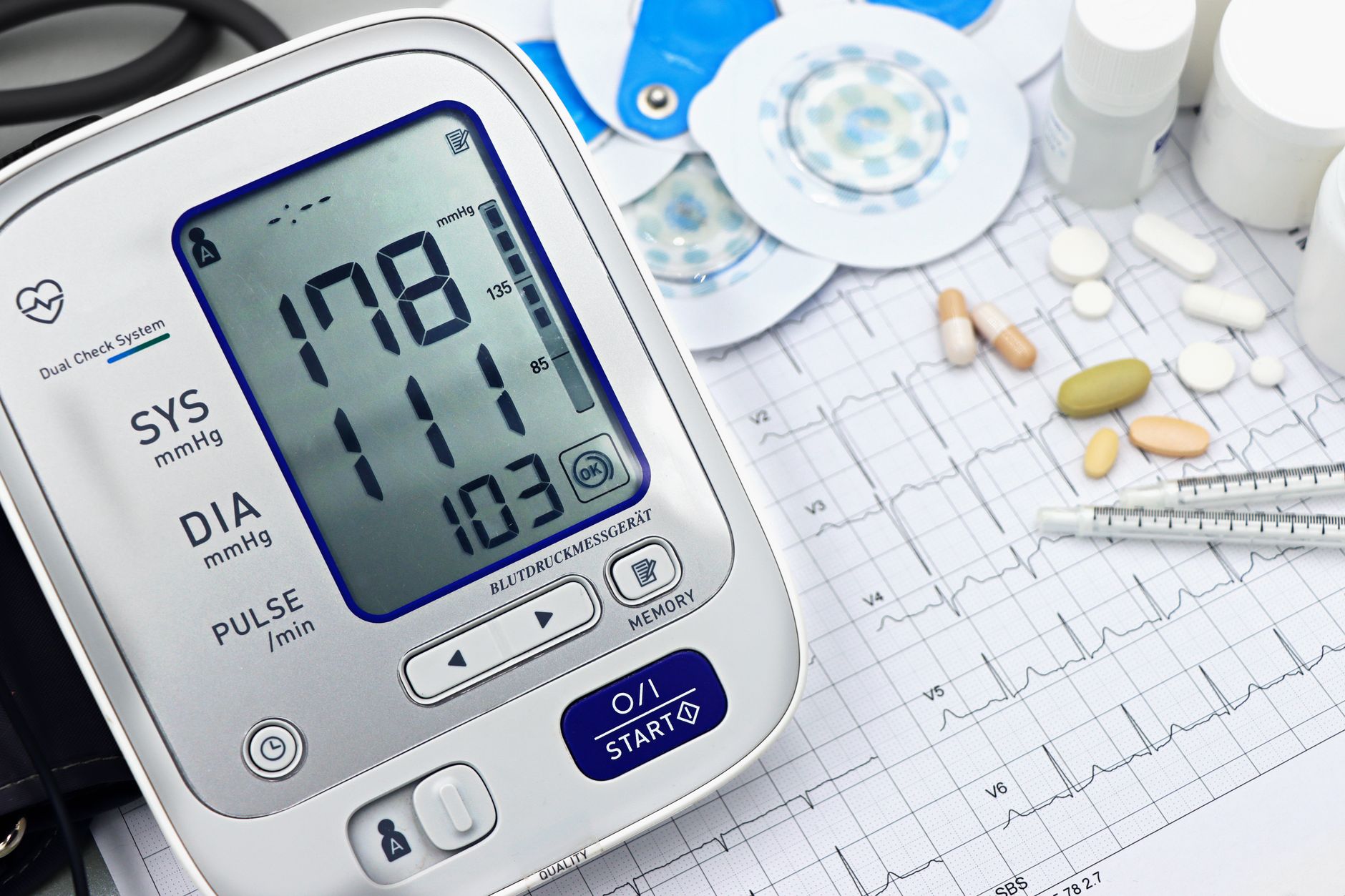
When you visit a doctor, one of the very first things they do is wrap a cuff around your arm, pump it full of air, and give you two numbers. If those numbers are consistently too high, they will tell you that you have hypertension.
But what do those numbers actually mean, and what is happening inside your body? Let’s break down the science of blood pressure in plain English.
🫀 The Garden Hose Analogy: How Blood Pressure Works
To understand blood pressure, imagine a garden hose connected to a spigot.
- Your heart is the water spigot.
- Your blood vessels (arteries) are the rubber hose.
- Your blood is the water rushing through.
If the spigot is turned on normally, water flows smoothly through the hose with a safe, steady amount of force. This is normal blood pressure.
Hypertension occurs when the force of the blood pushing against your artery walls is consistently too high. Imagine turning the water spigot on all the way to maximum, or squeezing the middle of the hose. The pressure inside the hose skyrockets. If that intense pressure continues for months or years, the rubber hose will eventually stretch out, weaken, or even burst. In your body, that constant strain damages your arteries and forces your heart to work dangerously hard.
Decoding the Numbers: Systolic vs. Diastolic
Blood pressure is always written as a fraction, such as 120/80. It is measured in millimeters of mercury (mmHg). Each number represents a completely different phase of your heartbeat. [1]
   120  <-- SYSTOLIC (The Squeeze Phase: Heart actively pumping)
  -----
    80  <-- DIASTOLIC (The Rest Phase: Heart refilling with blood)
1. The Top Number: Systolic Pressure (The Squeeze) [1]
The top number is the systolic pressure. This measures the maximum force exerted against your artery walls at the exact moment your heart muscle contracts (beats) and pumps blood out to the rest of your body. Think of this as the absolute peak of water pressure rushing through the hose when the spigot pushes water out. [1]
2. The Bottom Number: Diastolic Pressure (The Rest) [1]
The bottom number is the diastolic pressure. This measures the force in your arteries between heartbeats, when your heart muscle relaxes and refills with blood. Even when your heart is resting for a fraction of a second, the blood in your vessels doesn’t just stop flowing; it maintains a baseline pressure. Think of this as the leftover pressure remaining in the garden hose when the spigot pauses between pulses. [1]
📈 The Blood Pressure Chart
According to the American Heart Association, here is how the numbers are categorized for adults:
Blood Pressure Categories Reference Table
| Blood Pressure Category | Systolic mm Hg (Top Number) | Diastolic mm Hg (Bottom Number) | |
|---|---|---|---|
| Normal | Less than 120 | and | Less than 80 |
| Elevated | 120 – 129 | and | Less than 80 |
| Stage 1 Hypertension | 130 – 139 | or | 80 – 89 |
| Stage 2 Hypertension | 140 or higher | or | 90 or higher |
| Hypertensive Crisis | Higher than 180 | and/or | Higher than 120 |
This chart visualizes the blood pressure categories based on the American Heart Association (AHA) guidelines, providing a clear reference for your rebranded health site.
Source: American Heart Association Guidelines.
One of the most confusing parts of diagnosing hypertension is understanding how the top and bottom numbers interact. You do not need both numbers to be high to have high blood pressure.
- To have “Normal” blood pressure: Both your top number must be under 120 AND your bottom number must be under 80.
- How Hypertension is Characterized: If either your systolic or your diastolic number pushes into a higher zone, your overall diagnosis bumps up to that higher stage. For example, if your reading is 135/75, your top number puts you in Stage 1 Hypertension, even though your bottom number is perfectly normal.
Always remember that a single high reading does not mean you have a medical condition. True hypertension is diagnosed when your numbers stay consistently elevated over time.
Empowering Yourself: Steps You Can Take Today
Learning about high blood pressure can feel overwhelming, but the most important takeaway is this: you have an incredible amount of influence over your numbers. Hypertension is not just a statistic; it is a signal from your body that gives you an opportunity to act. By taking small, proactive steps, you can take charge of your cardiovascular health.
Here are a few practical, daily ideas to help you feel empowered on your wellness journey:
- Track Your Own Data: Consider investing in a simple, automated home blood pressure monitor. Keeping a daily log removes the guesswork and gives you a clear picture of your baseline to share with your doctor.
- Make Micro-Adjustments: You do not need to overhaul your entire life overnight. Start by adding one extra serving of vegetables to dinner, trading a sugary drink for sparkling water, or choosing a low-sodium seasoning option at the grocery store. This is exactly how I found out years ago when I was first diagnosed with high blood pressure–realizing how much hidden salt (sodium) was in those “convenient” packages changed everything for me, and cutting them back made a huge difference in my numbers. Try exchanging one boxed or frozen meal a week for something fresh, and watch how your body responds.
- Find Movement You Love: Physical activity lowers blood pressure by strengthening your heart muscle. Focus on consistency over intensity—aim to produce a little sweat while moving, and remember it doesn’t require hours at the gym. Simply finding 15 to 30 minutes for a walk whenever it is convenient for you–whether that is before work, during a lunch break, after dinner, or on the weekends–makes a massive difference.
- Prioritize Stress Recovery: Chronic stress keeps your body in a high-alert state. Dedicating just five minutes a day to deep breathing exercises, reading, or unplugging from screens can help calm your nervous system.
- Be Your Own Advocate: Prepare for your next doctor’s visit by writing down your questions in advance. Ask them to explain your readings, discuss your lifestyle goals, and partner with you on a long-term plan that fits your daily routine.
Small habits build big results over time. By staying informed, tracking your progress, and making intentional daily choices, you are actively taking the wheel of your own long-term health.
Disclaimer: The information provided in this article, including the blood pressure reference chart, is for educational and informational purposes only. It is not intended as medical advice, diagnosis, or treatment. Always consult with a qualified healthcare professional or your own doctor before making any changes to your health regimen or lifestyle choices.




 You Empower Your Health!